

Key takeaways
-
Interior design trends are multiplying faster than ever
-
Chasing styles leads to expensive, short-lived renovations
-
Designers are prioritizing quality flooring that lasts through changing tastes
Interior design isn’t getting calmer. If anything, it's getting louder. Cottagecore, maximalism, quiet luxury, warm minimalism, retro revival—new styles seem to arrive every day, each with its own look, rules, and must-have materials. For homeowners, the constant stream of inspiration can feel exciting at first, then overwhelming.
Designers see this too. And behind the scenes, many are coming to the same conclusion: when trends multiply this fast, the only way forward is to stop chasing them and choose your own path.
Too Many Trends, Too Little Time
The problem is that there are simply too many trends for permanent decisions to keep up. Flooring, cabinetry, and built-ins are not easy to change, yet they are often influenced by styles that peak and fade in just a few years.
Designers know that constantly renovating to keep up is expensive and exhausting. Even well-funded projects lose their appeal when they require repeated disruption, new materials, and rising labor costs. What used to feel flexible now feels inefficient.
So, designers are shifting how they advise clients. Instead of trying to predict which style will last, they focus on decisions that remain solid no matter where taste goes next. Quality becomes less about aesthetics and more about strategy.
Why Flooring Is the Decision That Matters Most
Flooring comes up in these conversations again and again, because it supports daily life. It connects every room. And once it’s installed, it’s meant to stay put.
Designers are paying closer attention to how flooring wears over time, not just how it looks on day one. Quality flooring - like Steller Floors - fits easily into real life, especially once you truly factor in the reduced cost of maintenance including time, effort, and future repairs.
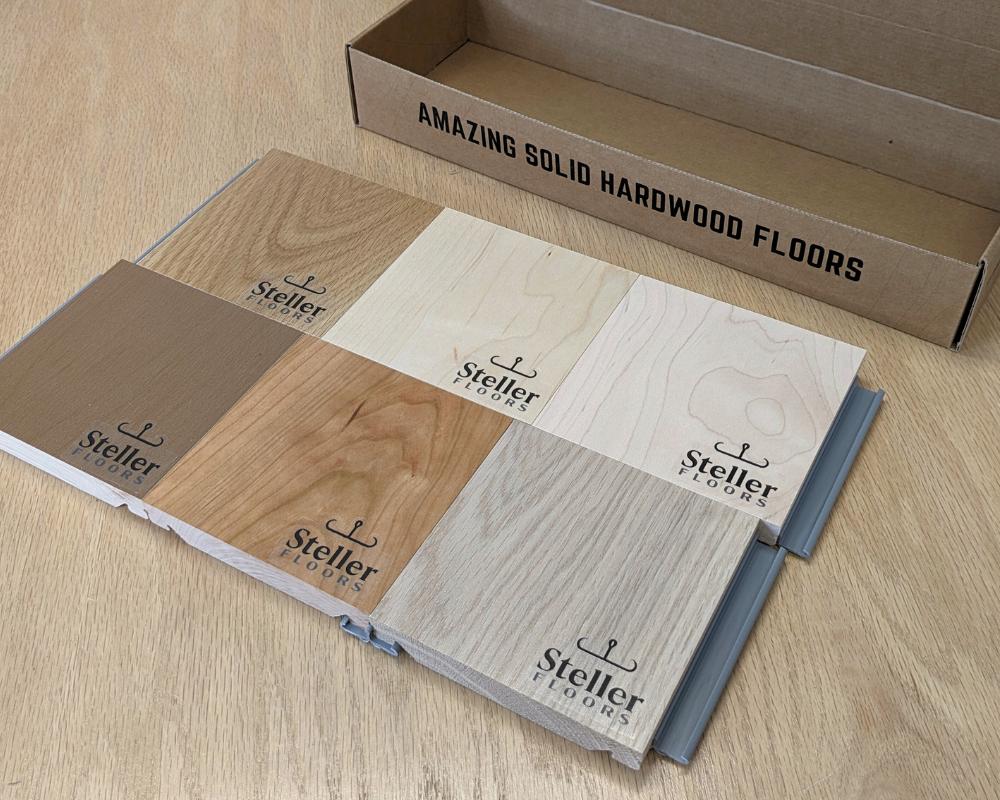
Color and finish choices also affect flooring longevity. Highly stylized colors or trend-driven finishes can lock a home into a specific moment. More timeless flooring choices, like natural wood tones and balanced finishes, allow a home to evolve. Furniture, wall color, and decor can change without forcing the floor to change too.
Going Your Own Way Starts With the Foundation
This is where designers talk less about trends and more about freedom. A neutral, well-made floor doesn't choose a style for you. It allows different styles to come and go without friction. Cottagecore can soften it. Maximalism can layer on top. Minimalism can strip things back again.
From a design standpoint, that flexibility is powerful. It lets homeowners respond to trends without being trapped by them.
Why Designers Keep Mentioning Steller Floors
In conversations about interior design decisions, Steller Floors comes up for practical reasons. Designers see it as a way to specify quality flooring that supports change instead of competing with it, while reducing risk for both the project and the client.
What matters most to designers:
-
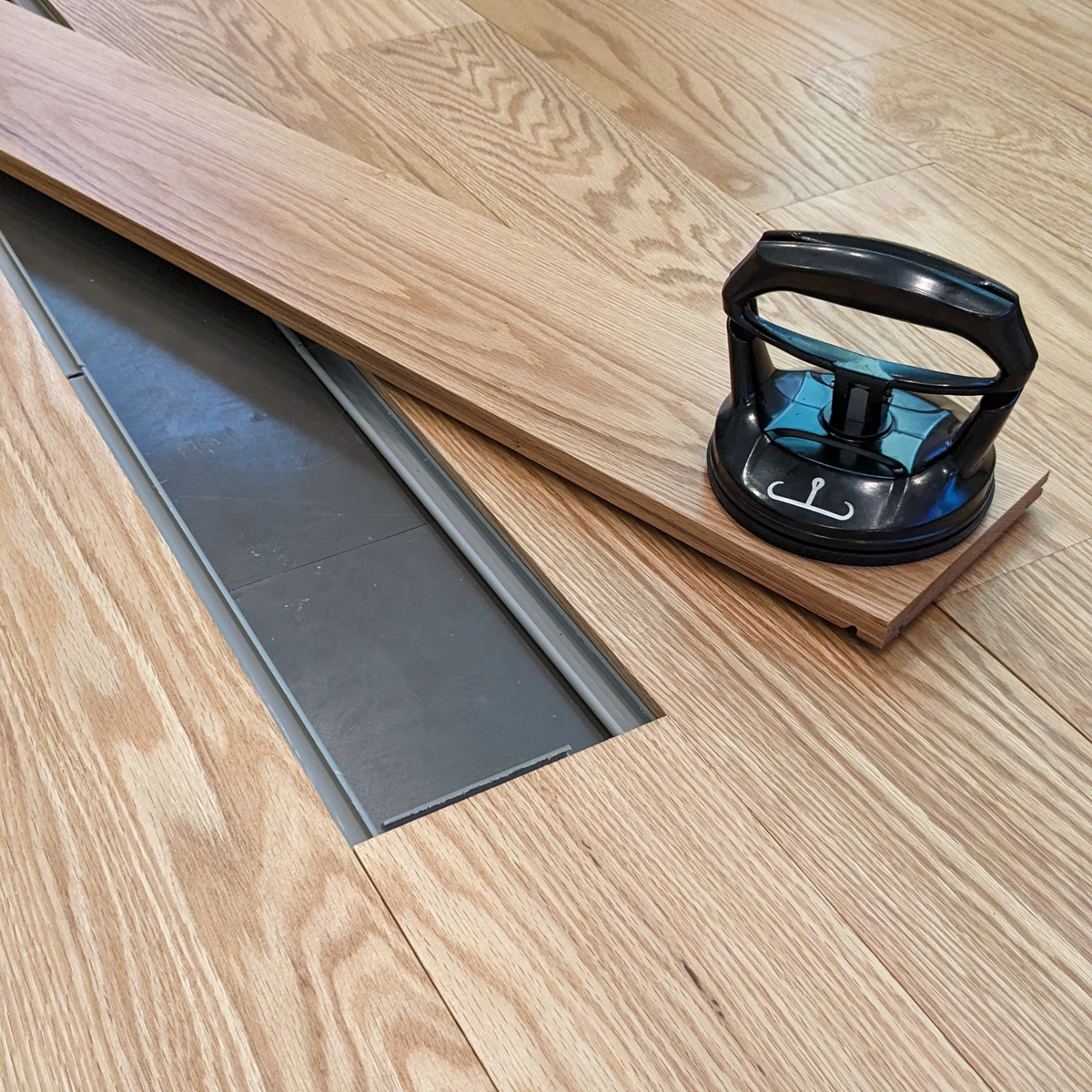
Solid hardwood construction that wears predictably and can be repaired or refinished instead of replaced
-
Timeless, grounded finishes that don't lock a home into a single trend or moment
-
Lower long-term maintenance and replacement costs, which protect project value over time
-
The Steller Assembly System, which brings consistency to installation and reduces performance variables
-
A flooring system that stays easy, making light renovation and remodel a breeze
For owners overhearing these design conversations, the takeaway is simple. You don't need to pick a style that will last forever. You need to pick a floor that will. Steller Floors gives designers—and the clients they advise—a stable foundation in a design world that isn't slowing down anytime soon.


0 comments