

When people talk to us about flooring projects in 2026, the first thing they usually say is, "I'm worried prices are going to explode again."
That concern makes sense. A few years ago, costs felt unpredictable. Prices jumped in an instant. Quotes didn't last. And it often felt like materials were driving all the chaos.
What we're seeing now is different.Costs are still rising, but why they're rising has changed. In 2026, flooring project costs will be driven far more by labor and freight than by domestic flooring materials. At the same time, the gap between American-made products and imported ones is getting wider, and that gap is shaping which flooring projects still make sense.
Understanding this shift can help shoppers make smarter choices instead of reacting to sticker shock.
Domestic Flooring vs. Imported Materials
One of the biggest changes we're seeing is where price pressure shows up.
For domestically produced flooring, increases have been modest and steady. Prices are not flat, but they are predictable. American-made products benefit from shorter supply chains and less exposure to tariffs. That makes them easier to budget and less likely to surprise you mid-project.
Imported materials are a different story.
Flooring (internationally-sourced engineered backers and composite plastics), cabinets, furniture, and fixtures that rely on overseas manufacturing are seeing much stronger upward pressure. Tariffs, shipping costs, and uncertainty all stack together. When those costs move, they don't creep up slowly. They jump.
We're already seeing cabinet or vanity pricing that no longer works. Not because they don't want the upgrade, but because the return doesn't justify the risk. As a result, many people are rethinking where their project dollars go.
Labor Is the Biggest Cost Driver
If there's one thing we're confident about heading into 2026: labor will keep getting more expensive.
Installers are busy. Skilled trades are aging out faster than new workers are coming in. And demand hasn't dropped enough to change that. Good installers are booked out, and their time costs more.
We see this every day. A flooring product looks affordable on paper, but once you add prep work, subfloor correction, long install times, and coordination, the final number surprises people. In 2026, the flooring material itself often isn't the problem. Paying someone to install it is.
Reducing complexity matters so much now. The more steps a project requires, the more exposed it is to rising labor costs.
Freight Keeps Rising in the Background
Freight is the quiet cost that affects almost everything.
Shipping costs rarely go down once they go up. Fuel, trucking labor, and logistics systems all push prices higher over time. By 2026, freight will cost more than it did in 2023, even without a crisis.
Products that travel farther, require multiple shipments, or involve reorders are hit the hardest. Simple, well-planned flooring projects tend to hold their budgets better than complex ones.
A Realistic 2023 vs. 2026 Comparison
Here’s a simple example we often share.
Let's say you're replacing flooring in a 1,200-square-foot main living area.
In 2023, a typical project might have looked like this. Flooring materials averaged about $11.50 per square foot with install accessories adding $1-2/sf. Installation labor was around $6.00 per square foot. Freight and logistics added about $1.00 per square foot. That put the total installed cost near $18.50 per square foot, or roughly $22,000.
In 2026, what we’re seeing looks different. High-quality, wide plank, domestically produced hardwood might be closer to $12.50 per square foot with install accessories adding $2-3/sf. That’s a modest increase. But installation labor is often closer to $8.00 or $9.00 per square foot. Freight has climbed too, landing closer to $1.50 or more.
That brings the total installed cost into the $22.00 to $23.50 per square foot range, or roughly $26,000 to $28,000.
The key point isn’t the exact number. It’s where the increase comes from. Most of it is labor and freight, not the wood itself.
A Short Steller Floors Example
We saw this clearly with a Steller Floors customer who first priced a flooring project in 2023 and came back to it for 2026.
Their space was about 1,100 square feet. In 2023, material pricing was their main concern. When they revisited the project just recently, the flooring cost hadn’t changed much. What had changed was installer availability and labor pricing.
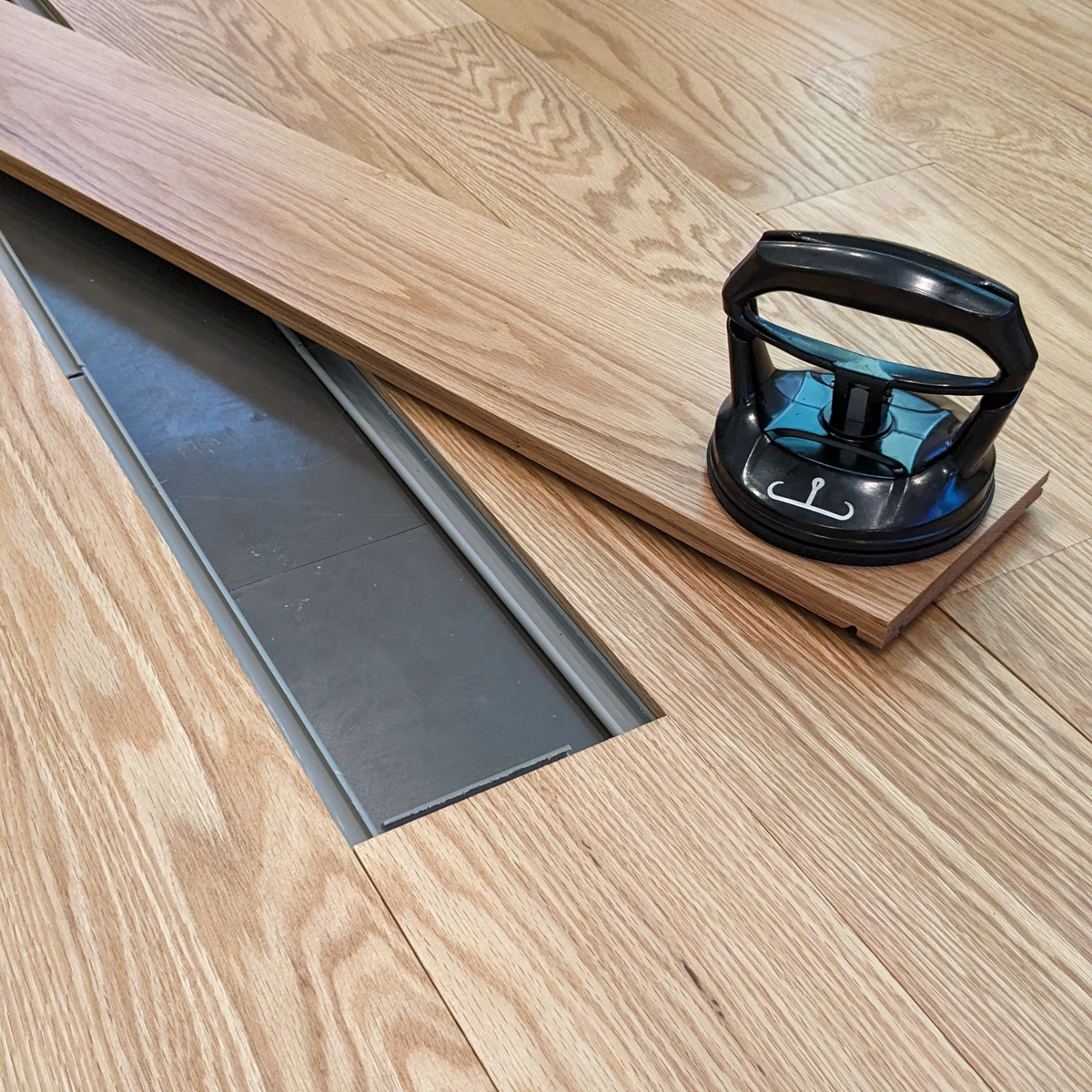
Because they chose a Steller Floors system that reduced install time and avoided several traditional prep steps, their labor costs stayed closer to the low end of the range. Compared to a more traditional hardwood install they also quoted, the difference was several thousand dollars.
For them, the value wasn’t about finding the cheapest floor. It was about avoiding labor risk and keeping the project predictable.
Why 2026 Is a Temporary Window
Interest rates matter here too.
If rates stay high, fewer people move. That's already happening. When that changes — if rates come down or tariffs are reversed — demand will rise fast. When demand rises, prices follow across the board - including for domestically produced flooring.
What won't go down are labor and freight costs. Once installer rates and shipping costs rise, they tend to stick. Today’s relatively stable pricing on domestically produced flooring is likely temporary, not permanent.
This creates a narrow window. Right now, domestic flooring materials are protected and predictable. Imported products are already expensive. If demand picks back up, everything gets more expensive — and labor and freight will lead the way.
Where to Put Your Project Dollars
On average, we’re seeing homeowners become cautious about furniture and cabinets. Many of those products are vulnerable to style shifts, they are imported, tariff-heavy, expensive to ship, and hard to change once installed. For many people, the risk no longer matches the reward - and tariffs could be reversed in the future.
Flooring doesn't carry the same downside.
In total, hardwood flooring adds value the entire interior and ages better than furniture and cabinets. It holds value whether you stay for years or sell later. Over the next three years, that kind of upgrade makes sense.
Modern hardwood flooring systems also help reduce the biggest risks. They limit installation time, reduce surprises, and help control labor costs. That turns flooring into not just a design choice, but a practical investment.
So What Should I Do If I’m Planning a Flooring Project in 2026?
If you’re planning a flooring project in 2026, act intentionally.
This is an interesting moment where domestically produced flooring is relatively stable while other categories are not - and it is likely temporary. If tariffs are reversed or interest rates drop, demand will increase and prices will rise across the board. Labor and freight will not get cheaper.
Our recommendation is simple. Be selective, not expansive. Choose products that reduce labor and limit complexity. Avoid tariff-heavy projects like cabinets and large furniture until the market settles.
In the next three years, flooring is one of the clearest ways to add value, protect your budget, and improve your interiors without taking on unnecessary risk.
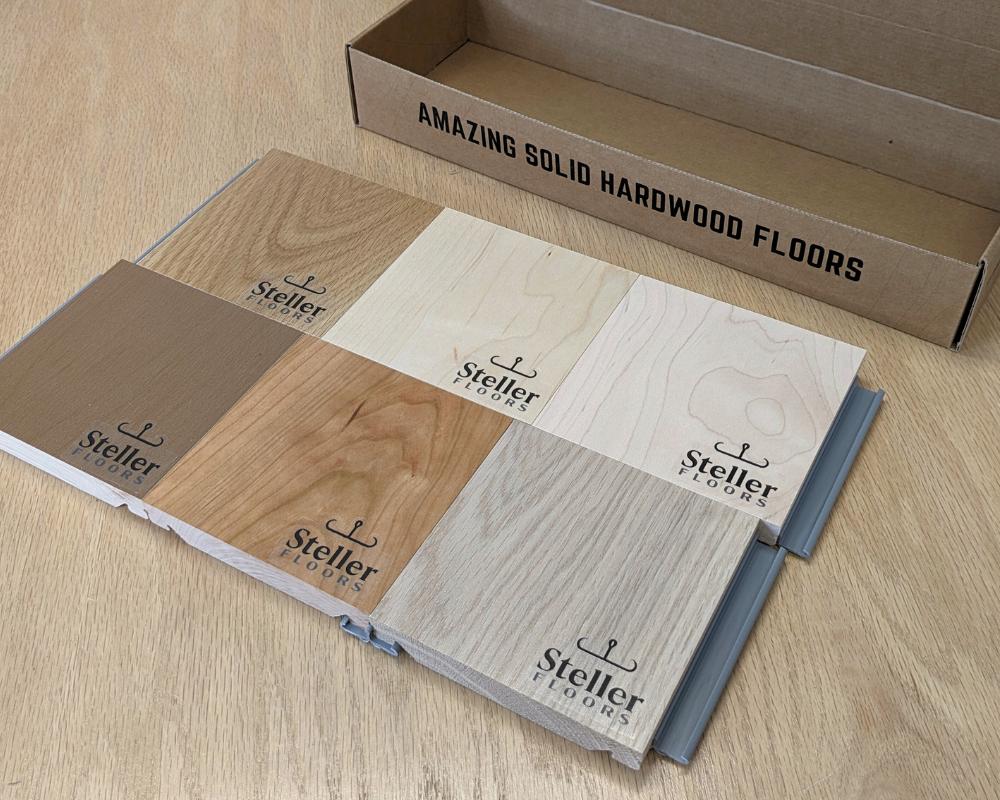
Want to learn more about real, solid wood floors that you can install quickly - with a pro or DIY? Check out Steller Floors!


0 comments